
Most business owners think their business is supported by hundreds of moving parts.
- Products.
- Employees.
- Customers.
- Marketing.
- Technology.
- Cash flow.
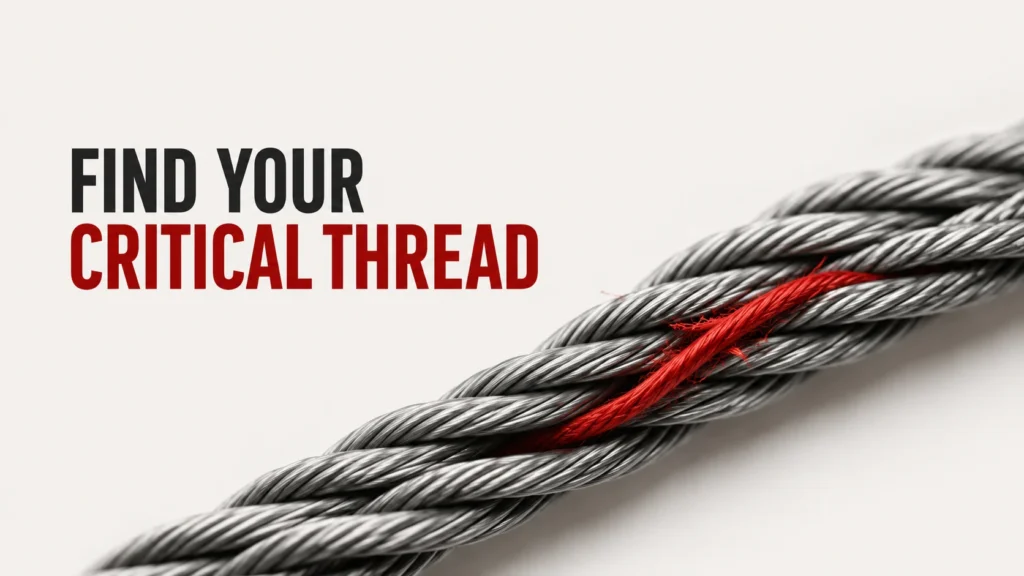
But in reality, many businesses depend on one invisible thread.
- One supplier.
- One salesperson.
- One customer.
- One founder.
- One software.
- One process.
- One relationship.
If your operations rely heavily on a single software platform, following the NIST Cybersecurity Framework can help reduce technology-related risks and improve resilience.
Everything appears stable…
Until that thread breaks.
A manufacturing company may have excellent machinery.
But if one key supplier stops delivering raw material, production stops.
A service company may have dozens of employees.
But if every important client only trusts the founder, growth eventually stalls.
A retailer may have thousands of products.
But if 70% of revenue comes from one customer, the business is more fragile than it appears.
The danger isn’t concentration itself.
The danger is not realizing where that concentration exists.
Businesses that regularly assess their critical dependencies using ISO 31000 risk management principles are better prepared to reduce hidden risks before they disrupt operations.
This article is part of our Business Fragility series. For the complete framework, read Hidden Business Risks: Why Most Businesses Are One Weak Link Away From Failure
Ask yourself:
- What would stop my business for a week?
- Which person cannot take a vacation?
- Which customer would hurt us the most if they left?
- Which process only one person understands?
- Which system has no backup?
Your answers reveal your critical thread.
Finding it doesn’t make your business weak.
Ignoring it does.
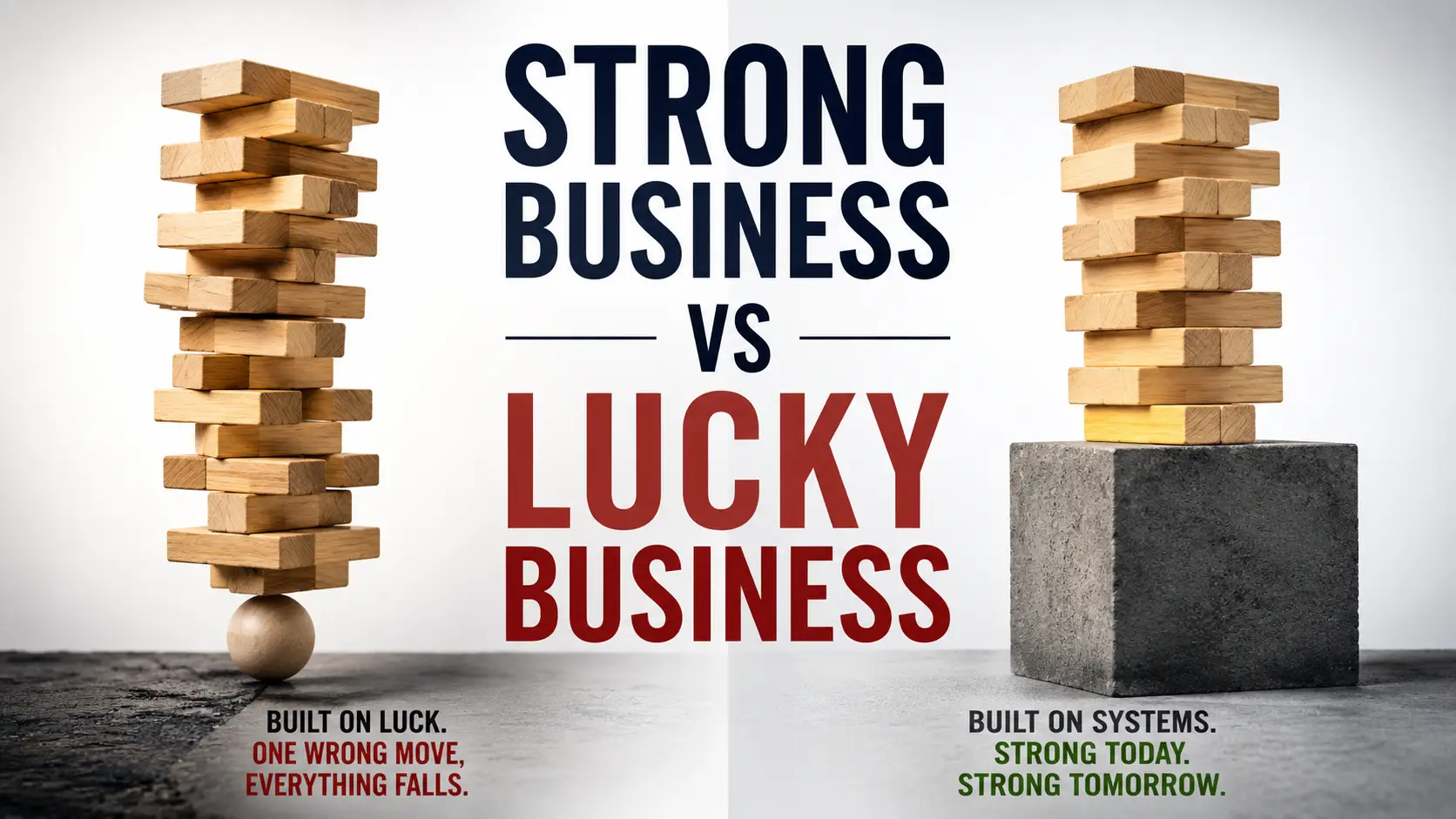
The strongest businesses aren’t built by assuming nothing will fail.
They’re built by ensuring no single failure can bring everything down.
A well-documented business continuity planning process helps organizations continue operating even when a critical supplier, employee, or system becomes unavailable.
Question for business owners:
If one thing disappeared from your business tomorrow, what would cause the biggest disruption?